


When Behaviour Is Communication
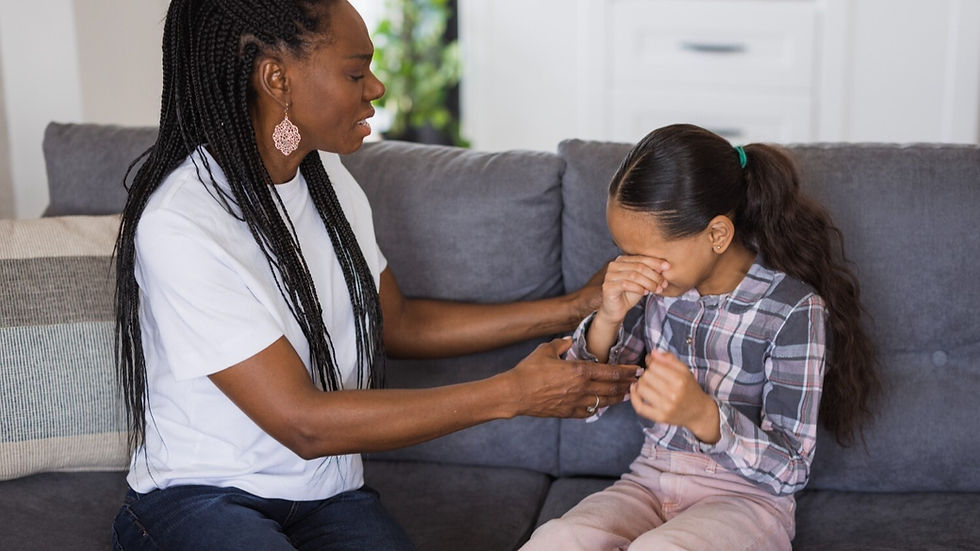
In child psychology, behaviour is understood as a primary form of communication. Children often express needs, emotions, or distress through actions rather than words, particularly when language or emotional awareness is still developing. Recognising behaviour as communication allows caregivers and educators to respond effectively rather than simply control or suppress actions.
Behaviours such as aggression, withdrawal, refusal, or regression often signal unmet needs rather than intentional misbehaviour. A child refusing to participate in class might be communicating anxiety, sensory overload, or fatigue. A child who becomes aggressive may be expressing frustration or a lack of strategies to cope with overwhelming emotions. Clinically, these behaviours are valuable information about what the child experiences internally.
Addressing behaviour effectively requires curiosity rather than punishment. Asking, “What might be happening for this child?” allows adults to identify triggers, patterns, and unmet needs. Therapy supports children and caregivers by teaching emotional vocabulary, coping strategies, and alternative ways to express distress. This empowers children to communicate needs without escalating behaviour, and caregivers to respond proactively rather than reactively.
Understanding behaviour as communication shifts the focus from control to connection, emphasising relational safety and emotional development. As children feel more understood and supported, challenging behaviours often decrease naturally. Clinicians highlight that when adults interpret behaviour through this lens, children not only improve their emotional regulation but also develop stronger self-confidence and healthier relationships.


Comments